

Choosing the right ACL reconstruction in Frisco, TX, depends on your age, activity level, and specific knee mechanics. Dr. Leroy Butler, a fellowship-trained orthopedic surgeon, helps patients navigate these choices with evidence-based guidance. This listicle outlines the six critical factors you should evaluate before deciding on a surgical approach.
1. Graft Source Selection
Autografts remain the gold standard for most active patients. The choice between using your own tissue (autograft) or donor tissue (allograft) is the most significant decision in ACL reconstruction. Autografts, typically harvested from the patellar tendon or hamstring, generally have higher incorporation rates and lower reinjury rates in younger, high-demand athletes. Allografts are often considered for older patients or those with lower activity goals, as they avoid the donor site morbidity associated with harvesting your own tissue.
2. Surgical Approach and Technique
Arthroscopic techniques minimize tissue trauma and speed recovery. Modern ACL reconstruction is almost exclusively performed arthroscopically, using small incisions and a camera to guide the procedure. This approach reduces postoperative pain and allows for earlier mobilization compared to older open techniques. The specific tunnel drilling method and fixation hardware (screws, buttons, or tacks) also influence long-term stability and the risk of hardware irritation.
3. Surgeon Fellowship Training
Subspecialty training in sports medicine is a critical quality marker. ACL reconstruction is a complex procedure that requires specific technical proficiency. Dr. Leroy Butler is a fellowship-trained orthopedic surgeon with a focus on knee sports medicine. Seeking a surgeon who has completed dedicated fellowship training ensures they have performed a high volume of these specific cases, which is strongly correlated with better outcomes and fewer complications.
4. Concurrent Injury Management
Addressing meniscus and cartilage damage simultaneously is essential. Many ACL tears occur alongside meniscus tears or cartilage defects. A comprehensive evaluation determines if these injuries can be repaired during the same surgery. Ignoring concurrent injuries can lead to early graft failure or accelerated arthritis. A thorough pre-operative MRI review and physical exam are necessary to identify all structural damage within the knee joint.
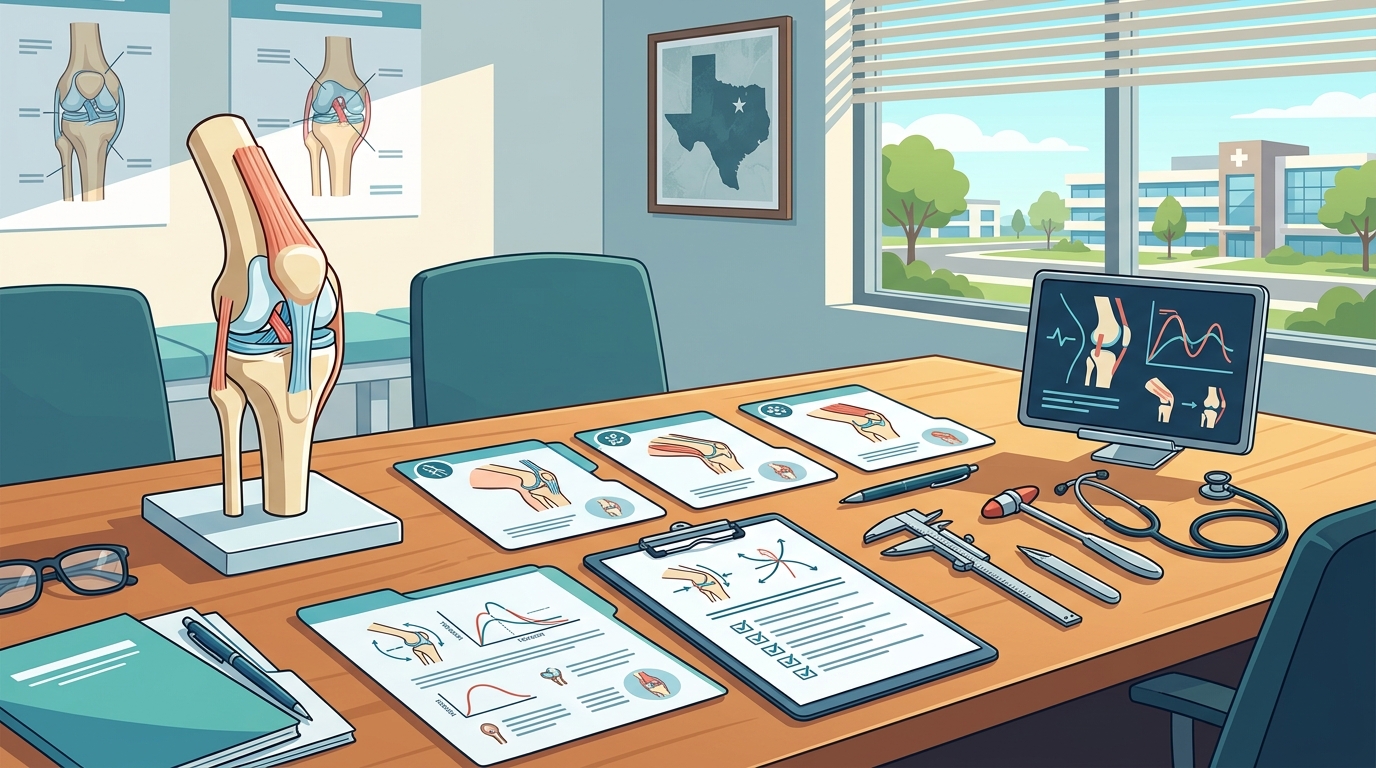
5. Rehabilitation Protocol Alignment
Success is determined by the rehab plan as much as the surgery. ACL reconstruction is only the first step in a long-term recovery process. The surgical team should provide a clear, phased rehabilitation protocol that aligns with your goals. Whether you are a weekend warrior or a competitive athlete, the rehab timeline must be realistic. Dr. Butler’s practice emphasizes a structured approach to recovery, ensuring patients understand the milestones required for safe return to activity.
6. Location and Accessibility
Proximity to the surgeon’s office simplifies the recovery journey. Recovery from ACL reconstruction requires multiple follow-up appointments over several months. Choosing a provider in Frisco, TX, such as Leroy Butler, DO PLLC, reduces travel time and logistical stress during a vulnerable period. Convenient access to the clinic, located in Frisco and Dallas, ensures you can maintain consistent care without the burden of long commutes.
Choosing the Right Path
When evaluating these options, prioritize a surgeon who offers a personalized plan based on your specific anatomy and goals. The best ACL reconstruction is not a one-size-fits-all procedure; it is a tailored strategy that balances graft choice, surgical technique, and rehabilitation. By focusing on these six factors, you can make an informed decision that supports long-term knee health.
Frequently Asked Questions
What is the best graft for ACL reconstruction?
There is no single "best" graft for everyone. Autografts (patellar tendon or hamstring) are generally preferred for younger, active patients due to higher durability. Allografts (donor tissue) may be suitable for older patients or those with lower activity levels. The decision depends on your age, activity goals, and surgeon recommendation.
How long does ACL reconstruction recovery take?
Full recovery typically takes 9 to 12 months. While you may return to light activities in a few months, returning to high-impact sports or pivoting activities usually requires at least 9 months of structured rehabilitation to ensure the graft is fully healed and stable.
Is ACL reconstruction surgery painful?
Most patients experience manageable pain after surgery, which is controlled with medication. The arthroscopic nature of the procedure means less tissue trauma compared to open surgery. Pain levels vary by individual, but most patients report significant improvement within the first few weeks.
Can I play sports after ACL reconstruction?
Yes, most patients can return to sports after completing a structured rehabilitation program. However, the timing depends on the specific sport and your progress in rehab. Returning too early increases the risk of reinjury, so it is crucial to follow your surgeon’s and physical therapist’s guidelines.
Where can I find an ACL specialist in Frisco, TX?
Leroy Butler, DO PLLC, offers knee sports medicine services in Frisco and Dallas. Dr. Butler is a fellowship-trained orthopedic surgeon who specializes in ACL reconstruction and knee injuries. To plan your visit, contact our team.